introduction
Some of the world’s best sonic branding examples prove that a simple sound can become more memorable than a logo.Have you ever recognized a brand without seeing its logo? Sometimes, all it takes is a short sound. The Netflix “Ta-Dum,” Intel’s iconic five-note melody, or McDonald’s famous “I’m Lovin’ It” instantly trigger brand recognition for millions of people around the world. These sounds have become just as recognizable as the companies’ visual identities.
This is the power of sonic branding. A well-crafted audio identity creates emotional connections, strengthens brand recall, and helps businesses stand out in an increasingly competitive digital world. From global technology companies and streaming platforms to startups and personal brands, memorable sounds are becoming an essential part of modern branding.
In this article, we’ll explore some of the most successful sonic branding examples that have shaped marketing over the years. You’ll discover why these audio identities work, what lessons businesses can learn from them, and how creators, startups, and growing brands can apply similar principles to build memorable customer experiences.
Whether you’re a business owner, marketer, content creator, or simply curious about how sound influences consumer behavior, these real-world examples will show why investing in a distinctive sonic identity can become one of your brand’s most valuable long-term assets.
At SongPrintz, we believe every memorable brand deserves a memorable sound. Through human creative direction, emotional storytelling, and AI-assisted music production, we help creators and businesses build unique sonic identities that leave lasting impressions long after the first interaction.
What Makes a Great Sonic Branding Example?
Not every catchy tune becomes an effective sonic brand. The best sonic branding examples are carefully designed to communicate a brand’s personality, create emotional connections, and remain memorable even after just a few seconds of listening.
Successful sonic branding is built on several key principles:
Simplicity
The most recognizable sonic identities are often the simplest. A short sequence of notes or a brief musical phrase is easier for audiences to remember than a long, complex composition. Think about how quickly people recognize the Netflix “Ta-Dum” or Intel’s five-note sonic logo.
Consistency
A sonic identity becomes powerful when it is used consistently across every customer touchpoint. From television commercials and YouTube videos to podcasts, websites, mobile apps, and live events, repeating the same sound strengthens brand recognition over time.
Emotional Connection
Great sonic branding goes beyond recognition—it creates emotion. Whether the goal is excitement, trust, inspiration, luxury, or nostalgia, music has the ability to make audiences feel something before they even process a visual message.
Originality
The strongest brands invest in original audio identities rather than relying on generic stock music. A custom sonic logo or brand soundtrack becomes an exclusive business asset that competitors cannot easily copy, helping the brand stand out in a crowded marketplace.
Strategic Brand Alignment
Every successful sonic identity reflects the values and personality of the brand it represents. A luxury brand may use elegant orchestration, while a technology company might choose clean electronic sounds. The music should always support the brand’s story and audience expectations.
As you’ll see in the examples below, the world’s most successful brands don’t use sound by accident. Every note, rhythm, and musical choice is intentionally crafted to reinforce their identity and create memorable experiences that audiences instantly recognize.
Netflix – The “Ta-Dum” That Changed Streaming
Few sonic branding examples are as instantly recognizable as Netflix’s famous “Ta-Dum.” Introduced in 2015, this short two-note sound plays before every Netflix original film and series, creating immediate anticipation before viewers even see the opening scene.
Although the sound lasts only a few seconds, it has become one of the most recognizable audio signatures in modern entertainment. Netflix deliberately designed it to create excitement and establish a consistent viewing experience across televisions, smartphones, tablets, and cinemas worldwide.
The success of the Netflix sonic logo demonstrates an important principle of effective sonic branding: a memorable sound doesn’t need to be long or complicated. Instead, it should be distinctive, emotionally engaging, and consistently used wherever the audience interacts with the brand.
What businesses can learn
You don’t need an elaborate musical composition to create brand recognition. A short, original sonic logo used consistently across videos, websites, advertisements, podcasts, and customer experiences can become one of the strongest assets in your overall brand identity.
Intel – One of the World’s Most Recognizable Sonic Logos
When discussing iconic sonic branding examples, Intel is impossible to overlook. Introduced in the 1990s, the company’s famous five-note sonic logo has become one of the most recognizable audio signatures in the world, appearing in television commercials, product launches, digital advertising, and technology partnerships.
What makes Intel’s sonic branding so effective is its consistency. Every time consumers hear the short melody alongside the “Intel Inside” message, they instantly associate it with innovation, performance, and reliability. Over the years, this simple sequence of notes has become just as valuable as Intel’s visual logo.
Unlike lengthy musical compositions, Intel’s sonic logo proves that a brand only needs a few carefully crafted notes to leave a lasting impression. Through decades of consistent use across global marketing campaigns, the company has transformed a brief sound into a powerful business asset recognized across cultures and languages.
What businesses can learn
Consistency builds recognition. A memorable sonic logo becomes more valuable each time it is used across customer touchpoints such as videos, presentations, websites, podcasts, advertisements, and product experiences. Rather than changing your brand sound frequently, using one distinctive audio identity over time helps audiences instantly recognize and trust your brand.

McDonald’s – “I’m Lovin’ It”
Few advertising campaigns have created a stronger emotional connection than McDonald’s famous “I’m Lovin’ It” jingle. First introduced in 2003, this short musical phrase quickly became one of the most recognizable examples of sonic branding, helping unify McDonald’s global marketing across television, radio, digital platforms, and in-store experiences.
Unlike a traditional sonic logo that lasts only a few seconds, McDonald’s combines music, lyrics, and emotional storytelling to reinforce its brand personality. The melody communicates happiness, familiarity, and togetherness, making it instantly memorable for audiences of all ages.
The campaign demonstrates how music can become deeply connected with a brand’s identity. Even when people hear the melody without seeing the famous golden arches, many instantly recognize the company behind it. This emotional association is one of the greatest strengths of effective audio branding.
What businesses can learn
Your sonic identity doesn’t always have to be a short sound logo. Depending on your brand, a memorable musical theme, campaign song, or signature soundtrack can become a powerful branding tool that builds emotional recognition across multiple customer touchpoints.
Mastercard – Building a Global Audio Identity
Mastercard took sonic branding beyond a simple logo by developing a complete audio identity system. Instead of creating just one recognizable sound, the company built a consistent collection of musical assets that could be adapted across advertisements, retail stores, digital payments, events, customer service experiences, and global marketing campaigns.
This approach allows Mastercard to maintain a unified brand experience wherever customers interact with the company. Whether someone watches a commercial, completes a payment, or attends a sponsored event, the audio consistently reinforces the same feeling of trust, security, and innovation.
Mastercard’s strategy shows that sonic branding can extend far beyond a short audio logo. A complete brand sound system creates consistency across multiple customer touchpoints while remaining flexible enough to suit different cultures, languages, and marketing channels around the world.
What businesses can learn
As your business grows, your sonic branding should grow with it. Instead of relying on a single sound, consider developing a complete audio identity that includes a sonic logo, brand theme, podcast intro, presentation music, website audio, and advertising soundtrack. This creates a seamless and memorable experience wherever your audience encounters your brand.

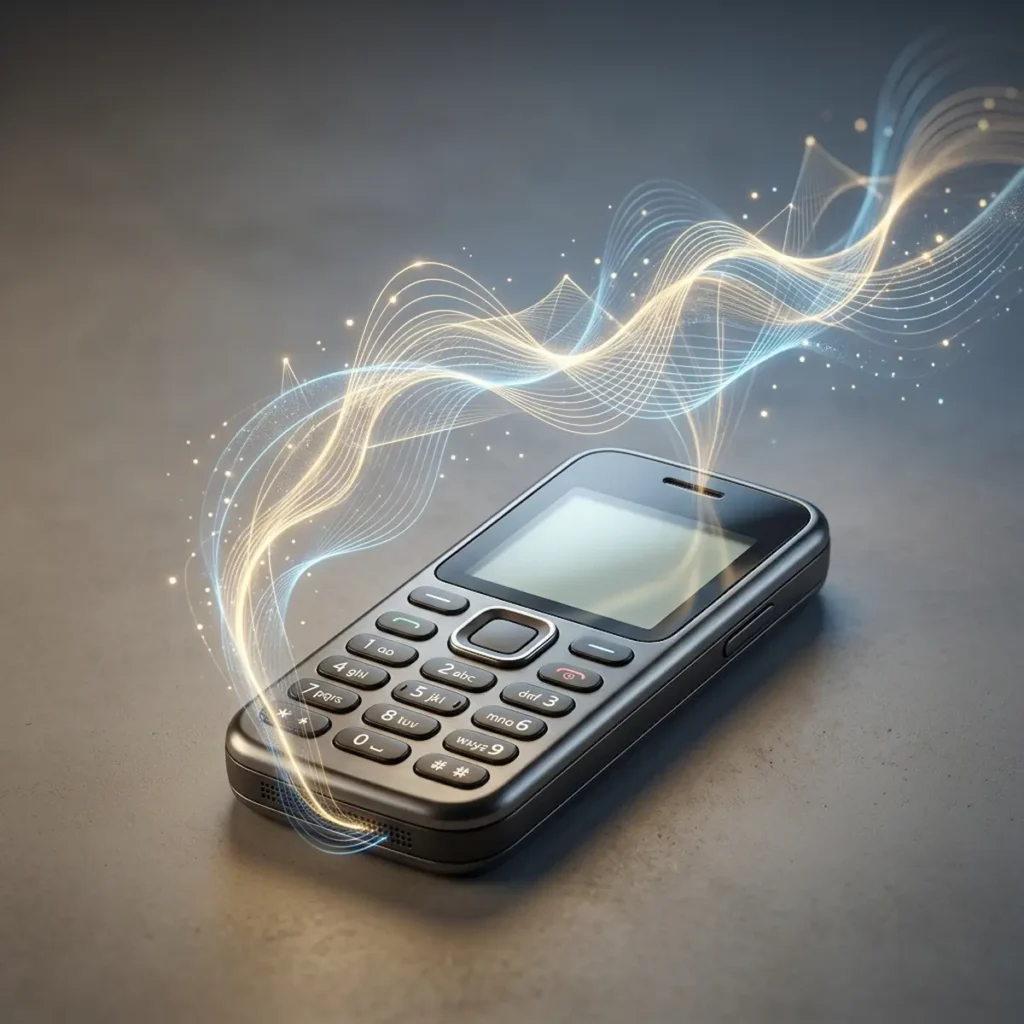
Nokia – The World’s Most Played Ringtone
Long before smartphones dominated the market, Nokia created one of the most recognizable sonic branding examples in history. Its iconic ringtone became synonymous with mobile communication and was heard billions of times across the world.
Originally adapted from the classical guitar composition Gran Vals by Spanish composer Francisco Tárrega, the Nokia tune evolved into a signature brand asset. Even today, many people instantly recognize the melody despite not having used a Nokia phone for years.
The success of the Nokia ringtone demonstrates how consistent exposure can transform a simple sound into a powerful brand identifier. Every incoming call reinforced the company’s identity, making the sound part of people’s everyday lives.
What businesses can learn
The more consistently customers hear your brand sound, the stronger the association becomes. Whether it’s a notification sound, podcast intro, website audio, or product experience, repeated exposure helps create lasting brand recall.
Apple – Minimal Sounds, Maximum Recognition
Apple demonstrates that sonic branding doesn’t always rely on jingles or long musical themes. Instead, the company uses carefully designed interface sounds, startup chimes, and subtle audio cues to create a premium user experience.
Every interaction—from unlocking a device to completing a payment—has been designed to feel intuitive and satisfying. These sounds reinforce Apple’s brand values of simplicity, elegance, and innovation without overwhelming the user.
Rather than demanding attention, Apple’s audio identity quietly supports the overall customer experience. This subtle approach has helped create one of the world’s strongest emotional connections between users and technology.
What businesses can learn
Not every brand needs dramatic music. Sometimes small, carefully designed sound experiences can communicate professionalism, trust, and quality more effectively than complex compositions.
Disney – Emotional Storytelling Through Music
Disney has mastered the art of using music to create emotional memories. From the opening castle theme to unforgettable movie soundtracks, its audio identity has become deeply connected with imagination, wonder, and storytelling.
Rather than relying on a single sonic logo, Disney uses music to create consistent emotional experiences across films, theme parks, streaming services, and live entertainment. These carefully crafted soundscapes help audiences feel connected to the brand long before the story begins.
Disney’s success proves that memorable sonic branding isn’t just about recognition—it’s about creating emotions that people carry with them for years.
What businesses can learn
The strongest brands create emotional experiences, not just memorable sounds. Your sonic identity should reflect the feeling you want customers to associate with your business every time they hear your brand.

BMW – Premium Sound for a Premium Brand
BMW extends its premium positioning beyond design and performance by carefully crafting the sounds customers experience throughout their journey. From advertising campaigns to vehicle interface sounds, every audio element reinforces innovation, precision, and luxury.
As electric vehicles become quieter, manufacturers like BMW are investing even more in sound design to create unique driving experiences while maintaining strong brand recognition.
This demonstrates that sonic branding isn’t limited to marketing—it can also become an important part of the product experience itself.
What businesses can learn
Every customer interaction is an opportunity to reinforce your brand. Whether online or offline, thoughtful sound design helps create a premium experience that customers remember.

Coca-Cola – Happiness Through Sound
For decades, Coca-Cola has used music to communicate happiness, celebration, and togetherness. Seasonal campaigns, memorable jingles, and uplifting advertising soundtracks have helped the brand create emotional connections with audiences across generations.
Rather than focusing on one single audio logo, Coca-Cola consistently uses music to reinforce its optimistic personality. These familiar sounds strengthen brand recognition while making advertisements feel instantly recognizable.
What businesses can learn
Consistent emotional messaging is just as important as visual consistency. Music can reinforce your brand values and create positive memories that encourage long-term customer loyalty.

Spotify – Personalizing Audio Experiences
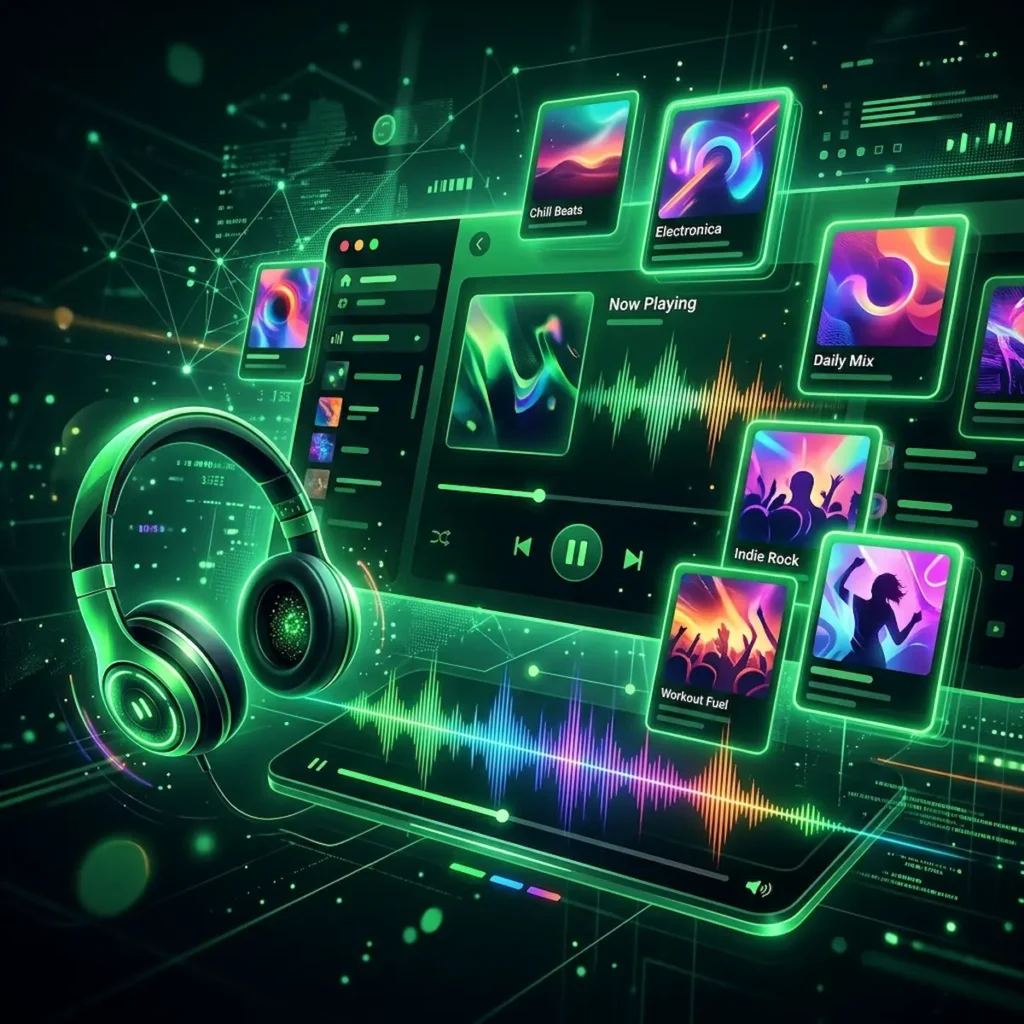
As one of the world’s largest music streaming platforms, Spotify demonstrates how personalized audio experiences can strengthen customer engagement. From its recognizable interface sounds to personalized playlists and annual Wrapped campaigns, Spotify has built an audio-first brand that feels highly personal.
The company understands that sound is more than entertainment—it’s a way to create meaningful relationships with listeners. Every interaction is designed to feel intuitive, relevant, and memorable.
Spotify shows that sonic branding isn’t only about creating one recognizable sound. It’s about designing an entire audio experience that keeps customers engaged and emotionally connected over time.
What businesses can learn
Modern sonic branding goes beyond logos and jingles. By creating consistent sound experiences across every customer touchpoint, brands can build stronger recognition, loyalty, and emotional connection.
What These Sonic Branding Examples Teach Every Business
Although the brands featured in this guide come from different industries, they all share one common strategy: they use sound intentionally to create memorable customer experiences.
Whether it’s Netflix building anticipation with a two-note sound, Intel reinforcing trust through a five-note sonic logo, or Disney creating emotional memories through cinematic music, each example proves that audio is far more than background entertainment. It is a powerful branding tool that helps people recognize, remember, and emotionally connect with a business.
Research from Think with Google shows that memorable brand experiences help businesses build stronger customer relationships. When sound is used consistently alongside visual branding, it becomes a powerful tool for increasing recognition and long-term brand recall.
Here are the biggest lessons every business can apply:
Consistency Creates Recognition
The world’s strongest brands use the same audio identity repeatedly across advertisements, videos, websites, social media, podcasts, presentations, and customer experiences. Every interaction reinforces the same brand personality, making recognition stronger over time.
Simplicity Is More Memorable
None of the famous sonic branding examples rely on long or complicated music. The most effective audio identities are often short, distinctive, and easy for audiences to remember after hearing them only a few times.
Emotion Builds Stronger Brands
People rarely remember every word of an advertisement, but they often remember how it made them feel. Music has the unique ability to communicate trust, excitement, inspiration, confidence, warmth, or luxury within seconds, making emotional storytelling one of the greatest strengths of sonic branding.
Originality Creates Competitive Advantage
Generic stock music may save money initially, but it cannot build a unique brand identity. Investing in an original sonic identity gives your business an exclusive audio asset that competitors cannot easily replicate.
Sonic Branding Works for Businesses of Every Size
One of the biggest misconceptions is that only global corporations can benefit from sonic branding. Today, creators, coaches, startups, consultants, podcasters, agencies, and growing businesses can all use custom audio identities to stand out in competitive markets.
As digital content continues to expand across websites, YouTube, podcasts, social media, online courses, and mobile applications, a consistent sonic identity is becoming just as valuable as a memorable logo or visual brand identity. Businesses that invest in both visual and audio branding are better positioned to create stronger recognition and lasting customer relationships.

How Small Businesses Can Apply These Lessons
Many business owners assume that sonic branding is only for multinational companies with large marketing budgets. In reality, today’s creators, startups, consultants, coaches, podcasters, and small businesses have more opportunities than ever to build memorable audio identities.
You don’t need a massive advertising campaign to benefit from sonic branding. Starting with one professionally crafted audio asset can immediately make your content feel more polished and recognizable.
Here are a few simple ways small businesses can begin:
Create a Signature Sonic Logo
A short, memorable sonic logo can be used at the beginning or end of videos, podcasts, presentations, advertisements, and social media content. Over time, audiences begin to associate those few seconds of sound with your brand.
Use Consistent Intro and Outro Music
Whether you publish YouTube videos, podcasts, webinars, or online courses, using the same intro and outro music creates familiarity and strengthens brand recognition across every piece of content.
Match Sound with Your Brand Personality
Every business has its own identity. A luxury brand may benefit from elegant cinematic music, while a technology startup may prefer modern electronic sounds. Choosing music that reflects your brand values helps create stronger emotional connections with your audience.
Think Beyond Marketing
Sonic branding isn’t limited to advertisements. Custom audio can also enhance websites, product demonstrations, mobile apps, customer presentations, live events, and onboarding experiences, creating consistency wherever customers interact with your business.
The goal isn’t simply to sound professional—it’s to become memorable. By introducing consistent, original audio across your customer journey, even a small business can build a stronger brand presence and stand out in a crowded digital marketplace.
Why Custom Sonic Branding Creates Stronger Brand Recognition
One common mistake many businesses make is relying on generic stock music or randomly generated audio across their marketing content. While these options may seem convenient, they rarely create lasting brand recognition because the same sounds can be used by countless other businesses.
Custom sonic branding is different. Every sound is intentionally created to reflect a brand’s personality, values, audience, and long-term vision. Just as a professionally designed logo makes a business visually distinctive, a custom audio identity helps people recognize a brand through sound alone.
Original sonic branding also creates consistency across every customer touchpoint. Whether someone watches your videos, listens to your podcast, visits your website, attends an event, or hears your advertisement, the same recognizable audio reinforces your identity and strengthens brand recall.
Another advantage is emotional connection. Carefully composed music can communicate trust, excitement, confidence, warmth, luxury, or creativity within seconds. These emotions help customers remember not only your content but also how your brand made them feel.
Studies published by Nielsen have shown that audio plays an important role in capturing attention, strengthening memory, and improving advertising effectiveness. This is one reason why many businesses now treat sonic branding as a long-term brand asset rather than simply background music.
As your business grows, your sonic identity becomes a long-term branding asset that can evolve alongside your visual identity. Rather than creating new music for every campaign, one consistent audio system can support your marketing for years while making every interaction feel familiar and professional.
At SongPrintz, every sonic identity is developed through human creative direction, emotional storytelling, and AI-assisted music production to create original audio experiences that are distinctive, memorable, and aligned with each client’s unique brand personality. The result isn’t simply music—it’s a recognizable sound that helps businesses build stronger emotional connections and lasting brand recognition.
Frequently Asked Questions
What are the best sonic branding examples?
Some of the best-known sonic branding examples include Netflix’s “Ta-Dum,” Intel’s five-note sonic logo, McDonald’s “I’m Lovin’ It” jingle, Mastercard’s complete audio identity system, Nokia’s iconic ringtone, Disney’s cinematic music, BMW’s premium sound design, Coca-Cola’s emotional advertising music, and Spotify’s personalized audio experiences. Each demonstrates how consistent sound strengthens brand recognition.
Why are sonic branding examples so effective?
Successful sonic branding examples work because they combine consistency, simplicity, emotional connection, and originality. Repeated exposure to the same recognizable sound helps customers instantly associate it with a particular brand.
Can small businesses use sonic branding?
Absolutely. Sonic branding is no longer limited to global corporations. Today, creators, startups, consultants, coaches, podcasters, and small businesses can use custom sonic logos, intro music, and brand sound systems to build stronger recognition and create memorable customer experiences.
What is the difference between a sonic logo and sonic branding?
A sonic logo is a short audio signature that identifies a brand, while sonic branding is a complete audio identity system. Sonic branding can include a sonic logo, podcast intro music, advertising music, website audio, event music, notification sounds, and other branded audio assets that work together to create a consistent customer experience.
How long should a sonic logo be?
Most professional sonic logos are between two and six seconds long. The goal is to create a memorable sound that audiences can recognize instantly while remaining flexible enough to use across videos, podcasts, advertisements, websites, and presentations.
How can SongPrintz help create a sonic identity?
SongPrintz creates personalized sonic identities through human creative direction, emotional storytelling, and AI-assisted music production. Whether you need a signature audio logo, a personalized soundtrack, or a complete Brand Sound System, every project is designed to reflect your unique brand personality and create lasting recognition.
Conclusion
The world’s most successful sonic branding examples prove one simple truth: memorable brands are remembered not only by what people see, but also by what they hear.
From Netflix’s iconic “Ta-Dum” and Intel’s legendary five-note logo to Disney’s emotional storytelling and Spotify’s personalized listening experiences, every example in this guide demonstrates how strategic sound strengthens brand recognition, builds emotional connections, and creates lasting customer memories.
The good news is that sonic branding is no longer reserved for global corporations. Today, creators, startups, consultants, coaches, podcasters, and businesses of every size can use custom audio identities to stand out in an increasingly competitive digital world. Even a simple sonic logo or signature brand soundtrack can make your content feel more professional, memorable, and uniquely yours.
As digital experiences continue to evolve, businesses that combine strong visual branding with consistent audio branding will be better positioned to create meaningful customer relationships across websites, videos, podcasts, social media, advertisements, and live experiences.This aligns with the broader principle of brand consistency highlighted by Interbrand, which has long identified consistent customer experiences as a key factor behind the world’s most valuable brands.
At SongPrintz, we believe every story deserves a signature sound. Through human creative direction, emotional storytelling, and AI-assisted music production, we create original sonic identities that help creators and businesses build lasting recognition through the power of sound.
Whether you’re just beginning your branding journey or looking to develop a complete Brand Sound System, investing in an original sonic identity today can help your audience remember your brand long after the first impression.
Ready to Create Your Own Signature Sound?
Every memorable brand has a unique story—and that story deserves a sound people will remember.
Whether you’re a creator building your personal brand, a startup launching something new, a podcaster growing your audience, or a business looking to stand out, a professionally crafted sonic identity can help you create stronger recognition and deeper emotional connections.
At SongPrintz, we combine human creativity, emotional storytelling, and AI-assisted music production to create original audio experiences that reflect your brand’s personality and vision.
Explore Our Sonic Branding Services
🎵 Signature Identity Mini Track – Perfect for creators, YouTubers, podcasters, and personal brands.
🎼 Emotional Sound Identity – Personalized soundtracks designed to tell meaningful stories and celebrate special moments.
🎧 Premium Sound Identity – Custom audio branding for coaches, consultants, luxury creators, and growing businesses.
🎙 Brand Sound System – A complete sonic branding solution for startups, agencies, and businesses looking to build a consistent audio identity across every customer touchpoint.
Your audience may forget what they saw—but they’ll remember how your brand made them feel. Start creating a signature sound that stays with them long after the first impression.